
Menu

 Schedule Appointment
 Call Us
New Patients: (704) 228-3527 Current Patients: (704) 980-0545- Text Us
704-538-4974
October 14, 2025
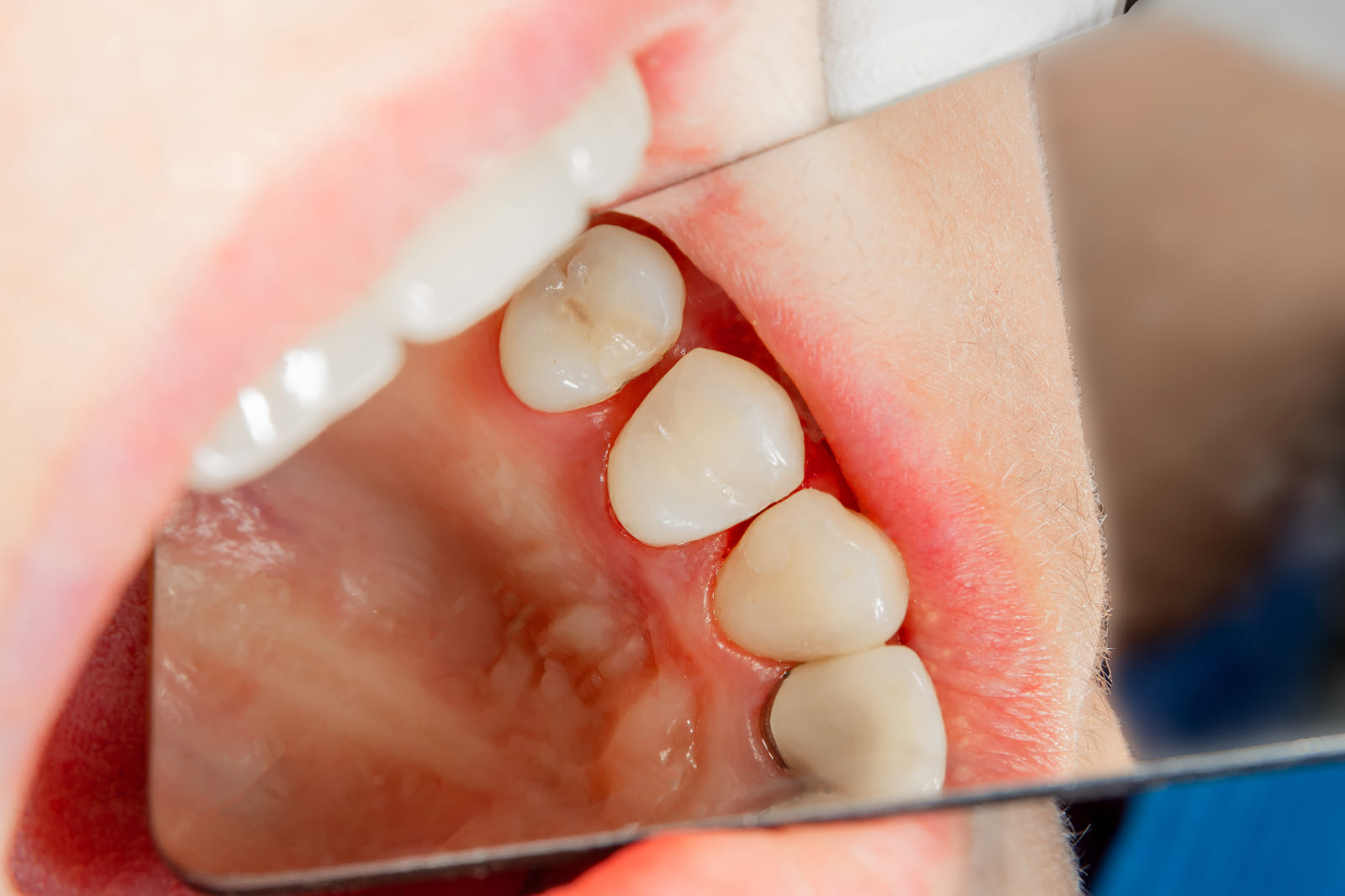
When it comes to children’s dental care, prevention is always better than treatment. One of the most effective, painless, and affordable preventive measures available today is dental sealants for children. At Webb Pediatric Dentistry, we’re dedicated to helping every child build a healthy foundation for lifelong oral health. Sealants are a simple yet powerful way to protect young teeth from decay, and understanding how they work can help parents make informed choices for their child’s smile. Dental sealants are thin, protective coatings, usually made from BPA-free resin, applied to the chewing surfaces of a child’s back teeth, particularly the molars and premolars. These areas are most vulnerable to cavities because they contain deep grooves and pits that can trap food particles and bacteria. Even with good brushing habits, it’s nearly impossible to clean these grooves completely. When sealants are applied, they bond tightly to the enamel, forming a smooth, protective barrier that shields the tooth from decay-causing acids and plaque. Think of them as an invisible raincoat for your child’s teeth, keeping germs and debris out where they belong. The deep grooves of molars are ideal hiding places for bacteria. Dental sealants for children fill these narrow grooves, creating a smoother surface that’s easier to brush and clean. Cavities form when bacteria feed on sugars and produce acids that erode enamel. Sealants act like a shield, preventing these acids from reaching the tooth surface and causing damage. Sealants don’t alter the tooth’s natural structure; they preserve it. By keeping decay out, they help maintain the integrity of the enamel for years to come. Because sealants protect teeth from early decay, children often experience fewer fillings and less anxiety about dental visits, fostering a more positive relationship with oral care. The best time for sealants is as soon as the permanent molars erupt, around ages 6 to 7 for the first set and ages 11 to 13 for the second set. However, sealants can also be beneficial on baby teeth if the child has a high risk of decay or deep grooves. Your pediatric dentist at Webb Pediatric Dentistry will evaluate your child’s individual needs to determine the best timing. Regular checkups allow us to monitor tooth development and apply sealants at the ideal stage. Parents often worry that applying sealants will be uncomfortable for their child, but the process is completely painless and usually takes less than 30 minutes. Here’s how it works: That’s it! Once applied, the tooth is ready for chewing right away. Most sealants last 5 to 10 years and can be reapplied if necessary. Sealants can reduce the risk of decay in molars by up to 80%, according to the CDC. That’s a powerful layer of defense for your child’s permanent teeth. Unlike fillings or crowns, sealants don’t require drilling or anesthesia. They are a quick and inexpensive preventive solution compared to treating cavities later on. Modern sealant materials are completely safe, containing no harmful chemicals. They’re approved by the American Dental Association and have been used successfully for decades. With sealants, you can rest easy knowing you’ve taken an important step toward protecting your child’s smile from future dental issues. Sealants are strong, but they still need care. Encourage your child to brush twice daily with fluoride toothpaste and floss regularly. During dental checkups at Webb Pediatric Dentistry, we’ll check each sealant for wear or chipping and reapply it if needed. Good nutrition also helps protect sealants. Limit sticky candies, sugary drinks, and constant snacking to keep plaque buildup to a minimum. At Webb Pediatric Dentistry, we take a preventive approach to children’s dental health. In addition to dental sealants for children, we offer other essential services to keep young smiles healthy and bright: Regular cleanings help remove plaque and tartar that brushing alone can’t reach. Our child-friendly team makes every visit fun and stress-free, teaching kids the importance of caring for their teeth. Our pediatric specialists apply sealants and fluoride treatments designed to prevent decay and strengthen enamel. Together, these services form a complete line of defense for growing smiles. We proudly serve families in Charlotte and nearby areas, including Concord, Gastonia, Belmont, Indian Trail, and Monroe, NC. Yes! Dental sealants are completely safe for children. They’re made from medical-grade resin that bonds securely to the enamel without any discomfort or harmful ingredients. Sealants can last between 5 and 10 years, depending on how well your child cares for their teeth and whether they habitually chew hard foods or grind their teeth at night. Your pediatric dentist will check them at every visit. Absolutely. If a baby tooth has deep grooves or your child has a history of cavities, sealants can protect those teeth until they naturally fall out. No, Sealants work alongside daily brushing, flossing, and fluoride treatments. They protect the chewing surfaces, but maintaining good hygiene is still essential for preventing total cavity formation. Sealants are usually clear or tooth-colored, so they blend in naturally. Most children never notice them after the appointment. A cavity-free smile begins with prevention! Dental sealants for children are one of the easiest and most effective ways to keep your child’s teeth healthy for years to come. At Webb Pediatric Dentistry, we specialize in gentle, personalized care that makes every child feel comfortable and confident. Whether you’re scheduling your child’s first sealant application or a regular cleaning, our friendly team is here to help. Book an appointment with us now.What Are Dental Sealants?
How Dental Sealants Work to Prevent Cavities
1. Creating a Smooth Barrier
2. Blocking Bacteria and Acids
3. Supporting Natural Tooth Strength
4. Encouraging Confidence in Kids
When Should Children Get Sealants?

The Sealant Procedure: Quick, Easy, and Painless
Why Choose Dental Sealants for Children?
Long-Term Protection
Non-Invasive and Cost-Effective
Safe and Effective
Peace of Mind for Parents
Maintaining Sealants for Long-Lasting Results
Preventive Care Services at Webb Pediatric Dentistry
1. Gentle Dental Cleanings & Exams
2. Protective Sealants & Fluoride Treatments
FAQs About Dental Sealants for Children
1. Are sealants safe for kids?
2. How long do sealants last?
3. Can baby teeth get sealants, too?
4. Do sealants replace brushing or fluoride?
5. Are sealants visible?
Protect Your Child’s Smile with Webb Pediatric Dentistry Today

Webb Pediatric Dentistry © 2025 Orthodontist Website by Ortho Marketing Powered By Presentation Multimedia | Privacy Policy
 Call Us