
Menu

 Schedule Appointment
- Call Us
New Patients: (980) 479-0292 Current Patients: (704) 980-0545 - Text Us
704-538-4974
July 6, 2026
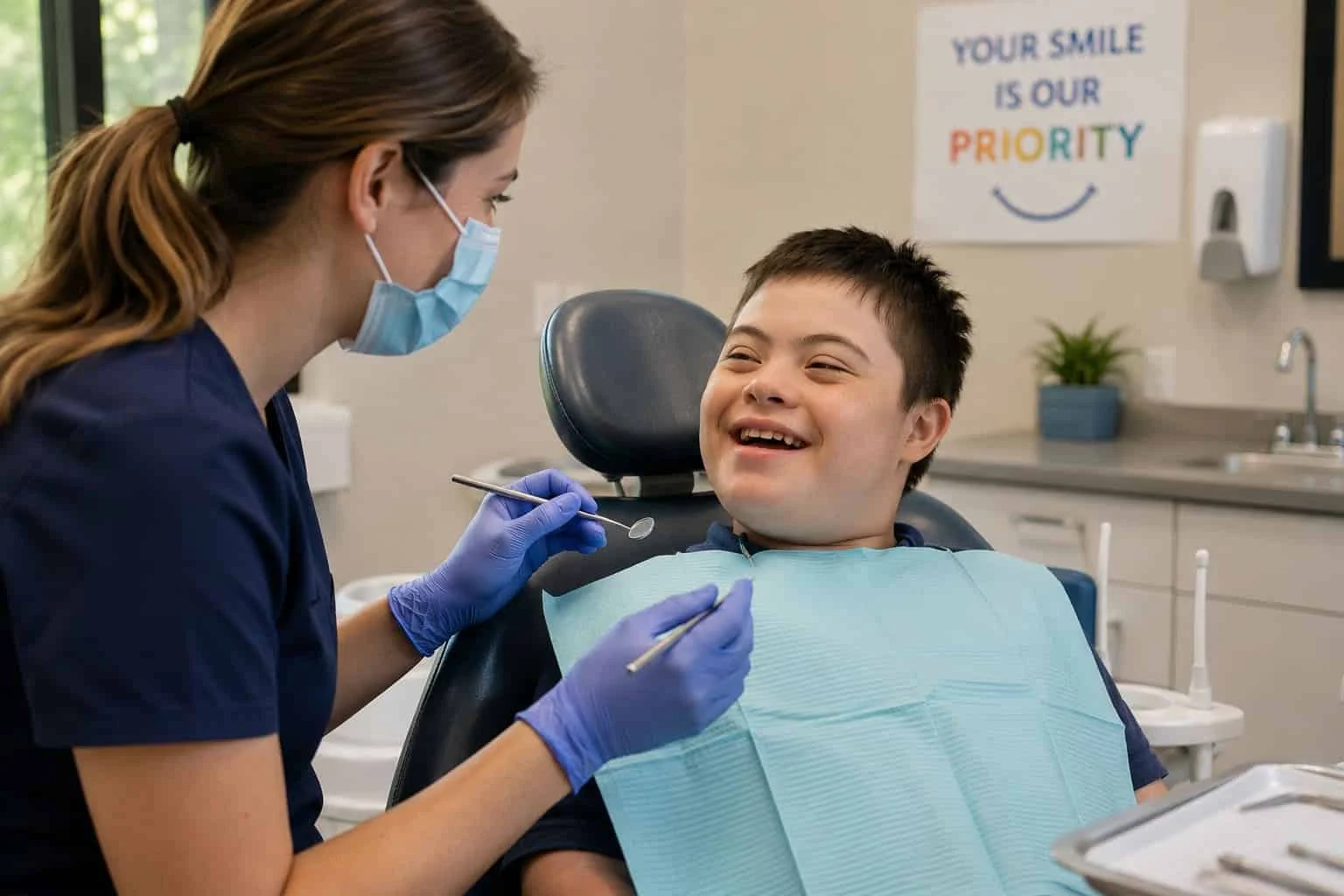
By Dr. Logan Webb Every child deserves dental care that feels safe, respectful, and manageable. For children with special needs, that often means more than a routine cleaning and exam. It may mean extra time, a slower pace, sensory support, clearer communication, and a dental team that understands how to adjust care around the child instead of forcing the child to fit the appointment. Special needs dentistry focuses on helping children with physical, developmental, behavioral, sensory, medical, or emotional needs receive the oral care they need in a calm and supportive setting. At Webb Pediatric Dentistry, Dr. Logan Webb and our team provide gentle, child-centered care for infants, children, and teens in Charlotte, including children who may need additional support during dental visits. Special needs dentistry is dental care adapted for children who may need extra support because of a medical condition, developmental delay, autism, sensory sensitivity, anxiety, physical limitation, behavioral concern, or complex health history. The goal is not only to clean the teeth or treat a cavity. The goal is to make dental care possible, safer, and more comfortable for the child and family. A child may benefit from special needs dentistry for many different reasons. Some children have a formal diagnosis, while others simply need a more flexible approach to care. Special needs dentistry may support children with: Parents do not need to know the perfect dental category before scheduling. If your child has a condition, sensitivity, or past experience that may affect the visit, that information helps the dental team plan with more care. A good visit starts before your child sits in the dental chair. Pediatric dentists often ask parents about the child’s medical history, communication style, sensory triggers, medications, daily routines, and past dental experiences. This helps the team understand what may make the visit easier or harder. The more the dental team understands your child, the more personalized the appointment can be. Not every child needs the same type of appointment. Some children do well with a full cleaning at the first visit. Others need a shorter introduction, more breaks, or a gradual approach. A supportive visit may include: This approach helps build trust over time instead of turning every appointment into a struggle. Preventive care is especially important for children with special needs because some children may have a higher risk of cavities, gum inflammation, enamel concerns, dry mouth, oral habits, or difficulty brushing thoroughly at home. Some medications can affect saliva. Some diets or feeding patterns can increase cavity risk. Some children may resist brushing because of sensory sensitivity. Others may have limited coordination or need caregiver support for daily oral hygiene. That is why prevention is often the foundation of special needs dentistry. Preventive care may include: Webb Pediatric Dentistry offers pediatric dental cleanings that are tailored to a child’s age, comfort level, and dental needs. Children with special needs may face dental challenges that are not always obvious to parents at first. A pediatric dentist can help identify patterns early and make care more manageable. The goal is not to judge the child or parent. The goal is to find practical solutions that work in real life. Some children can complete dental care with patience, breaks, and behavior support. Others may need additional help, especially if treatment is urgent, the child is very anxious, or sitting safely for care is difficult. Sedation is not the first answer for every child. It is a planning tool that may be discussed when it helps make necessary care safer and more comfortable. A pediatric dentist will consider your child’s medical history, treatment needs, age, anxiety level, and ability to cooperate before discussing sedation or other treatment-support options. Parents play a big role in helping dental visits feel more predictable. Preparation does not have to be complicated. Before the appointment, you can: For some children, the biggest win is simply learning that the dental office is a safe place. Progress may happen one visit at a time. Pediatric dentists are trained to care for children, including children who need more support than a standard dental visit may provide. Their offices, communication style, tools, and treatment approach are designed around young patients. At Webb Pediatric Dentistry, special needs dentistry is part of our commitment to making dental care more accessible, gentle, and supportive for children with unique needs. Dr. Logan Webb is a board-certified pediatric dentist and Charlotte native with more than 10 years of experience caring for children’s smiles. Her approach centers on prevention, comfort, communication, and helping families feel supported throughout the process. Children with special needs can have the same dental emergencies as other children, including toothaches, chipped teeth, knocked-out teeth, swelling, or mouth injuries. Some children may also have difficulty explaining pain, so behavior changes may be an important clue. Contact a pediatric dentist if your child has swelling, bleeding, severe tooth pain, trauma, a broken tooth, or a permanent tooth that becomes loose. Webb Pediatric Dentistry provides pediatric dental emergency care for urgent concerns. If your child has facial swelling that affects breathing, serious head trauma, or uncontrolled bleeding, seek emergency medical care first. Webb Pediatric Dentistry provides Charlotte pediatric dentistry for infants, children, teens, and children with special needs. Our team understands that every child’s visit may look a little different, and that is okay. Our office is located at: Webb Pediatric Dentistry Phone: (704) 980-0545 Special needs dentistry is about meeting your child where they are. With the right preparation, pacing, prevention, and communication, dental care can become less stressful and more predictable over time. Some children need extra time. Some need sensory support. Some need shorter visits or a gradual introduction. What matters most is having a pediatric dental team that listens, adapts, and keeps your child’s comfort and health at the center of care. If your child needs a more supportive dental experience, schedule a visit with Webb Pediatric Dentistry. Dr. Logan Webb and our team can help your family take the next step with confidence. Yes. Pediatric dentists often care for children with autism and can adjust the pace, communication, sensory environment, and treatment approach to support the child’s needs. Use calm, simple language, explain what to expect, bring comfort items, and tell the dental team about triggers or helpful routines before the visit. Visual schedules or social stories may also help some children. The dentist may use shorter steps, breaks, behavior guidance, gradual visits, or other support options. If treatment is necessary and cooperation is difficult, sedation may be discussed when appropriate. They can be. The cleaning may be paced more slowly, broken into smaller steps, or adapted based on sensory needs, anxiety, movement, or medical considerations. Yes. Webb Pediatric Dentistry provides dental care for children with special needs in Charlotte, NC, with a focus on gentle, supportive, child-centered treatment. Children should generally establish a dental home early, around the first tooth or first birthday. For children with special needs, early visits can help build familiarity and prevent problems before they become more difficult.Quick Answer: What Is Special Needs Dentistry?
What Counts as a Special Health Care Need?
How Pediatric Dentists Prepare for the Visit
What Parents Share
Why It Helps
Medical conditions or diagnoses
Helps the dentist plan safe, appropriate care
Medications
Some medicines affect saliva, gums, or treatment planning
Sensory triggers
Helps the team reduce avoidable stress
Communication preferences
Supports clearer instructions and trust
Past dental experiences
Helps avoid repeating difficult patterns
Comfort items or routines
Can make the visit feel more familiar
Feeding or brushing challenges
Helps create realistic home-care advice
Step-by-Step: What a Supportive Dental Visit May Look Like
The team reviews your child’s needs, health history, comfort level, and any concerns before treatment begins.
Your child may be shown the room, chair, mirror, toothbrush, or tools in a calm, non-rushed way.
The dentist or hygienist explains what will happen, shows the child when appropriate, and then gently completes the step.
The visit may include breaks, shorter steps, or changes in approach if your child becomes overwhelmed.
Cleanings, exams, fluoride, sealants, and home-care coaching may be recommended based on your child’s needs.
The dentist explains what went well, what needs attention, and how future visits can be made easier.Why Prevention Matters So Much
Common Challenges Pediatric Dentists Help With
Challenge
How a Pediatric Dentist May Help
Toothbrushing resistance
Suggest gentler tools, positioning, timing, or step-by-step routines
Sensory sensitivity
Adjust sounds, textures, lighting, pacing, and explanations
Dental anxiety
Use reassurance, predictability, and gradual exposure
Gagging or oral aversion
Modify techniques and keep visits paced carefully
Higher cavity risk
Recommend prevention, fluoride, sealants, and closer monitoring
Trouble sitting still
Use shorter steps, breaks, and child-centered behavior guidance
Emergency risk
Help parents know what to do if injury or tooth pain happens
When Sedation May Be Discussed
How Parents Can Prepare Their Child

Why a Pediatric Dentist Is Different
What If My Child Has a Dental Emergency?
Special Needs Dentistry in Charlotte at Webb Pediatric Dentistry
3125 Springbank Ln., Suite E
Charlotte, NC 28226A Calmer Path to Dental Care for Your Child
Frequently Asked Questions
Can a child with autism see a pediatric dentist?
How should I prepare my child for a special needs dental visit?
What if my child cannot sit still for dental treatment?
Are dental cleanings different for children with special needs?
Does Webb Pediatric Dentistry treat children with special needs?
When should a child with special needs start seeing a dentist?

Webb Pediatric Dentistry © 2026 Orthodontist Website by Ortho Marketing Powered By Presentation Multimedia | Privacy Policy
