
Menu

 Schedule Appointment
- Call Us
New Patients: (980) 479-0292 Current Patients: (704) 980-0545 - Text Us
704-538-4974
February 6, 2026
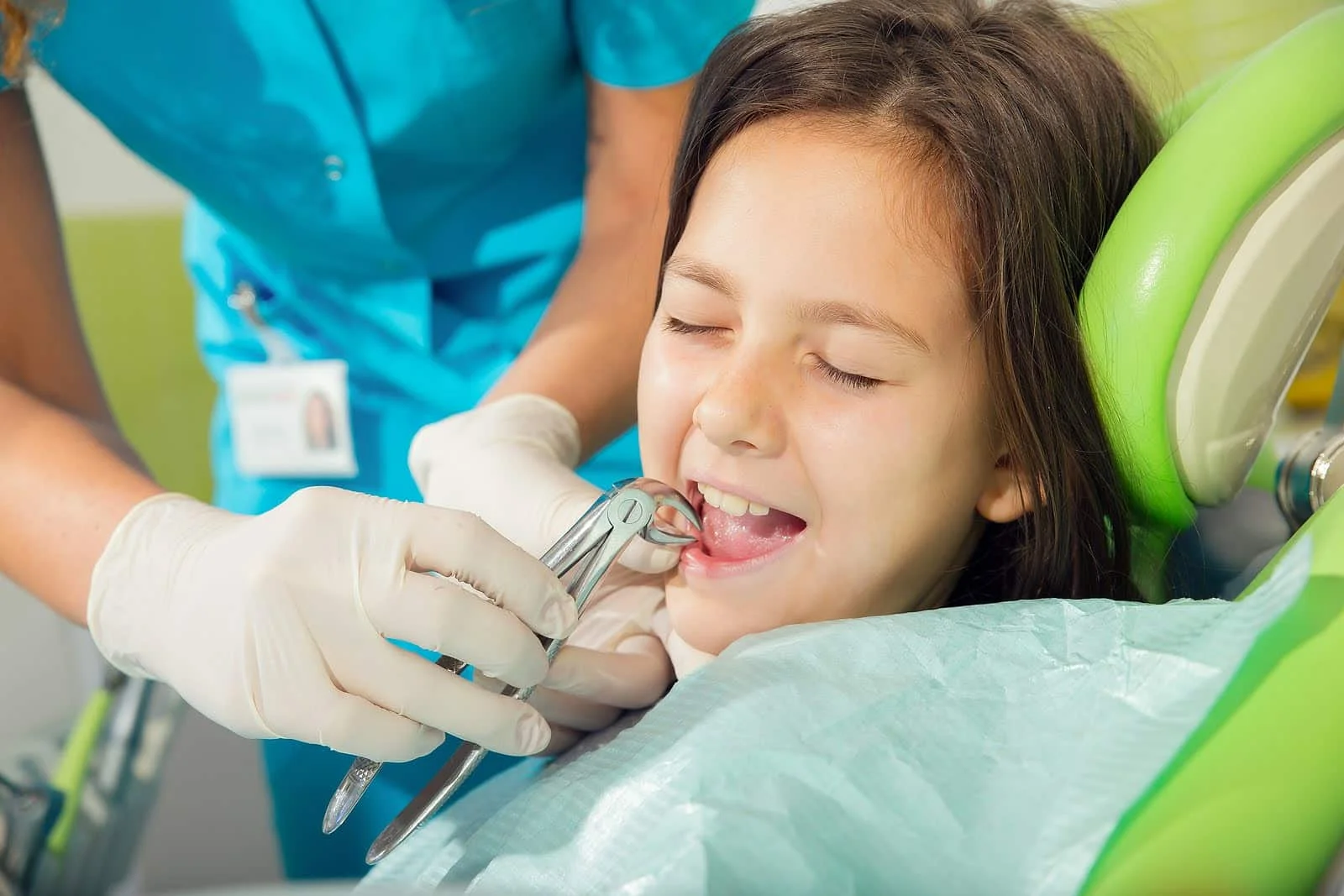
Having a tooth removed, whether it’s a baby tooth or a permanent one, is a common dental procedure. While tooth extractions are routine, proper care afterward is essential for a smooth recovery. Many complications after dental extractions, such as infections, delayed healing, or the painful condition known as dry socket, can be prevented with the right aftercare. Knowing what not to do after tooth extraction can make a significant difference in your healing process. In this guide, we’ll explain the key habits to avoid, why they matter, and how to support your child's mouth’s recovery effectively, so your child can heal safely and comfortably. When a tooth is removed, a blood clot forms in the empty socket. This clot acts as a natural barrier, protecting the underlying bone and nerves while your mouth begins to heal. If the clot becomes dislodged or dissolves too soon, the healing process can be delayed, and you may experience discomfort or complications. One of the most common complications is dry socket, which occurs when the blood clot is lost or fails to form properly. Dry socket can cause severe pain, bad breath, and a foul taste in the mouth. Fortunately, avoiding certain habits after tooth extraction significantly reduces the risk of this painful condition. Proper aftercare also ensures faster healing, minimizes discomfort, and helps protect neighboring teeth and gums from potential problems. Following your dentist’s instructions carefully is the best way to support your recovery. Using a straw may seem harmless, but the suction created while drinking can disturb the blood clot in your socket. This can lead to dry socket or other complications. For at least the first week after tooth extraction, drink directly from a cup rather than a straw. Even when drinking smoothies or other liquids, avoid straws and sip gently. Staying hydrated with water is important, but using safe drinking methods helps protect the healing site and promotes faster recovery. Hot drinks and foods, such as coffee, tea, or soup, can increase blood flow to the extraction site. While blood flow is usually beneficial, it can sometimes cause the blood clot to loosen or dissolve prematurely if consumed too soon. Stick to lukewarm or cool foods and beverages for the first couple of days after your extraction. Once your dentist gives clearance, you can gradually reintroduce warmer foods, ensuring they don’t irritate the healing area. This simple precaution helps prevent bleeding, swelling, and discomfort. Hard or sticky foods can physically irritate the extraction site, dislodge the blood clot, or get trapped in the socket. Examples of foods to avoid include nuts, chips, candy, chewy bread, and popcorn. Instead, focus on soft foods such as mashed potatoes, yogurt, applesauce, oatmeal, or scrambled eggs. These foods provide essential nutrients without putting pressure on the extraction site. Remember, the first few days are critical for protecting the blood clot and ensuring smooth healing. After a tooth extraction, it is normal to want to rinse your mouth frequently. However, forceful rinsing or spitting can loosen the blood clot and delay healing. For the first 24 hours, avoid rinsing your mouth completely. After that, gentle saltwater rinses can help reduce bacteria, promote healing, and keep the area clean. Always follow your dentist’s instructions regarding how often and how vigorously to rinse. Intense physical activity raises your heart rate and blood pressure, which can lead to bleeding at the extraction site. To prevent complications, avoid heavy lifting, running, or rigorous workouts for the first 48–72 hours after tooth extraction. Light activities such as walking are safe and can even support circulation without putting stress on the healing area. Giving your body time to focus on recovery is essential for optimal healing and comfort. It can be tempting to check the extraction site with your tongue or fingers. However, doing so introduces bacteria and increases the risk of dislodging the blood clot. Do not probe or disturb the area. Allow your mouth to heal naturally and keep the site as clean as possible through gentle rinses and careful brushing around the area once your dentist gives the go-ahead. Avoiding unnecessary contact is one of the simplest yet most effective ways to prevent complications. Alcohol can negatively impact healing by interfering with your body’s natural repair processes. It may also interact with any pain medications or antibiotics prescribed after your extraction. Avoid alcohol for at least several days, and ideally until your dentist confirms that your extraction site has fully healed. Opt for water or other safe beverages to stay hydrated and support the healing process.Why Proper Aftercare Matters
1. Don’t Use Straws
2. Avoid Hot Foods and Beverages
3. Say No to Hard, Crunchy, or Sticky Foods
4. Skip Vigorous Rinsing and Spitting
5. Don’t Engage in Strenuous Exercise
6. Avoid Touching the Extraction Site
7. Refrain from Alcohol Consumption

At Webb Pediatric Dentistry, we focus on gentle, prevention-oriented care for children of all ages. We provide a range of services to ensure healthy smiles, including dental cleanings, preventive care, and restorative treatments. We prioritize a stress-free experience for children, making dental visits comfortable and educational.
Ensuring proper care after tooth extraction is essential for a smooth, complication-free recovery. If your child is scheduled for a dental procedure or you have questions about post-extraction care, don’t wait! Contact Webb Pediatric Dentistry today to schedule an appointment.

Webb Pediatric Dentistry © 2026 Orthodontist Website by Ortho Marketing Powered By Presentation Multimedia | Privacy Policy
