
Menu

 Schedule Appointment
- Call Us
New Patients: (980) 479-0292 Current Patients: (704) 980-0545 - Text Us
704-538-4974
July 3, 2026
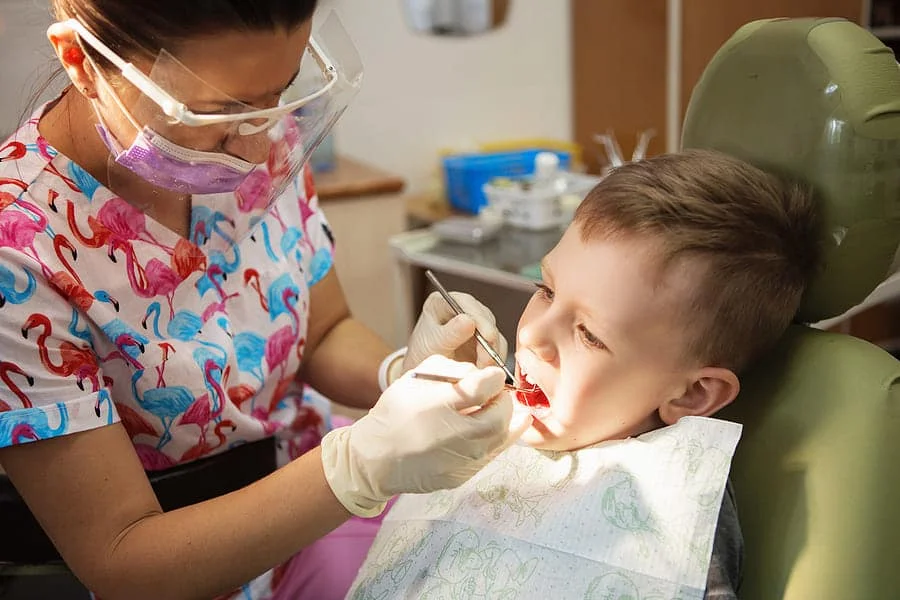
By Dr. Logan Webb Regular dental cleanings help protect your child’s teeth before small problems turn into bigger ones. Even when a child brushes every day, plaque can still build up in hard-to-reach areas. Over time, that buildup can lead to cavities, gum irritation, bad breath, and dental visits that feel more stressful than they need to be. A kid's dental cleaning is not only about polishing the teeth. It gives the pediatric dentist a chance to check growth, spot early signs of decay, guide parents, and help children feel more comfortable with dental care. At Webb Pediatric Dentistry, Dr. Logan Webb and our team make cleanings gentle, age-appropriate, and reassuring for infants, children, and teens in Charlotte. A pediatric dental cleaning is designed to be gentle and child-friendly. The appointment may look slightly different depending on your child’s age, comfort level, and dental needs. A typical visit may include: Webb Pediatric Dentistry provides pediatric dental cleanings that are tailored to each child’s age, needs, and comfort level. Brushing at home is important, but children are still learning coordination, consistency, and technique. Many kids miss the back teeth, gumline, or tight spaces between teeth. That is where professional cleanings help. The goal is not to replace brushing and flossing. The goal is to support what your child is already doing at home. Children’s teeth can develop cavities quickly, especially if plaque sits on the teeth often. Frequent snacking, juice, sports drinks, sticky foods, and inconsistent brushing can all increase the risk. Baby teeth matter, even though they eventually fall out. They help children chew, speak, smile, and hold space for permanent teeth. If a baby tooth develops a cavity and becomes painful or infected, it can affect eating, sleep, school focus, and future dental visits. Regular cleanings help catch signs of trouble early. A small area of concern is usually easier to manage than a toothache, swelling, or emergency visit. One of the biggest benefits of regular dental visits is familiarity. When children only visit the dentist when something hurts, they may begin to connect dental care with fear or discomfort. Routine cleanings can change that pattern. A child who comes in regularly learns the office, the chair, the tools, the sounds, and the team. They get used to opening their mouth, asking questions, and receiving praise for taking care of their teeth. At Webb Pediatric Dentistry, care is built around children. Dr. Webb and our team use child-friendly communication, gentle pacing, and reassurance to make visits feel more manageable. Many children should see a pediatric dentist every six months for a cleaning and exam. However, some children may need more frequent visits if they are at higher risk for cavities or gum concerns. Your child may need closer monitoring if they: Cleanings work best when they are paired with the right preventive support. Depending on your child’s age and cavity risk, Dr. Webb may recommend fluoride, sealants, or specific home-care changes. Fluoride helps strengthen enamel and make teeth more resistant to decay. Sealants are thin protective coatings placed on the chewing surfaces of back teeth, where grooves can trap food and bacteria. For children with deep grooves in their molars, dental sealants for children can add another layer of cavity protection. A child’s first dental visit should happen early, usually when the first tooth appears or by the first birthday. The first visits may be short and simple, but they are still important. Early visits help parents understand brushing, teething, feeding habits, pacifier use, thumb-sucking, and cavity prevention. They also help children become familiar with the dental office before more involved care is ever needed. Webb Pediatric Dentistry offers gentle care for infants and toddlers so families can start dental care with confidence. Daily habits make a big difference. Dental cleanings are important, but the routines at home protect your child’s teeth every day. Parents can help by: The best home-care plan is one your family can actually follow. If brushing is a struggle, tell the dental team. There may be easier positions, toothbrush options, or routines that fit your child better. Dental anxiety is common, especially for younger children or children who have had a difficult experience before. A pediatric dental office can make a big difference. Before the visit, use simple and positive language. Avoid words that sound scary. Instead of saying “it won’t hurt,” you can say, “Dr. Webb is going to count your teeth and help keep them strong.” You can also bring a comfort item, schedule at a time of day when your child usually does well, and let the team know if your child has sensory concerns or specific triggers. A calm, consistent approach helps children build trust one visit at a time. Webb Pediatric Dentistry provides gentle pediatric dental care for children in Charlotte, including cleanings, exams, prevention, and treatment when needed. Families can also learn more about the full range of pediatric dentistry treatments available at our office. Our office is located at: Webb Pediatric Dentistry Phone: (704) 980-0545 Regular dental cleanings give your child more than a clean smile. They help prevent cavities, support healthy growth, build confidence at the dentist, and give parents clearer guidance at every stage. The earlier children learn that dental visits can feel calm and routine, the easier it becomes to protect their smiles as they grow. If your child is due for a cleaning, schedule a visit with Webb Pediatric Dentistry. Dr. Logan Webb and our team are here to make dental care feel gentle, supportive, and positive from the start. Most children should have a dental cleaning and exam every six months. Some children may need more frequent visits based on cavity risk, oral hygiene, diet, or special health needs. No. Pediatric dental cleanings are designed to be gentle and comfortable. Some children may feel nervous at first, but a child-friendly dental team can help make the visit easier. Brushing is important, but children may miss plaque along the gumline, between teeth, and on back molars. A professional cleaning removes buildup that home brushing may not fully reach. Children should usually see a dentist when the first tooth appears or by their first birthday. Early visits help parents learn how to care for baby teeth and prevent early cavities. The dental team checks the teeth and gums, removes plaque and tartar, polishes the teeth, discusses fluoride or sealants if needed, and gives parents home-care guidance. Yes. Baby teeth help with chewing, speech, spacing, and healthy development. Keeping them clean reduces the risk of cavities, infection, and early tooth loss. Tell the dental team before the visit. Pediatric dental offices can use gentle pacing, child-friendly explanations, comfort items, and positive reinforcement to help children feel safer.What Happens During a Kids Dental Cleaning?
Dr. Webb checks your child’s teeth, gums, bite, and oral development.
The dental team removes buildup that brushing and flossing may miss.
The teeth are polished to remove surface stains and leave them feeling smooth.
Fluoride may be recommended to strengthen enamel and lower cavity risk.
Parents receive practical tips for brushing, flossing, snacks, and home care.
If anything needs attention, the team explains it clearly and calmly.Why Cleanings Matter Even If Your Child Brushes Well
What Cleanings Help With
Why It Matters
Plaque removal
Lowers the risk of cavities and gum irritation
Tartar removal
Removes hardened buildup that brushing cannot clean off
Early cavity detection
Finds small problems before they become painful
Growth monitoring
Tracks how baby teeth and permanent teeth are developing
Habit building
Helps children become more comfortable with dental care
Parent education
Gives families realistic home-care guidance
Cavities Can Develop Faster Than Parents Expect
Cleanings Help Children Get Comfortable at the Dentist
How Often Should Kids Get Dental Cleanings?
The Role of Fluoride and Sealants
Preventive Option
What It Does
Who May Benefit
Fluoride
Strengthens enamel
Children at risk for cavities
Sealants
Covers deep grooves in back teeth
Kids with permanent molars
Home-care coaching
Improves brushing and flossing
Children still building habits
Diet guidance
Reduces frequent sugar exposure
Families managing cavity risk
Regular exams
Tracks tooth development
All growing smiles
When Should Kids Start Dental Cleanings?
How Parents Can Help Between Cleanings

What If My Child Is Nervous About Cleanings?
Kids Dental Cleaning in Charlotte at Webb Pediatric Dentistry
3125 Springbank Ln., Suite E
Charlotte, NC 28226Helping Your Child Build a Healthier Smile Early
Frequently Asked Questions
How often should kids get dental cleanings?
Are dental cleanings painful for kids?
Why does my child need dental cleaning if they brush every day?
At what age should kids start dental cleanings?
What happens during a kid's dental cleaning?
Do baby teeth really need professional cleanings?
What if my child is scared of the dentist?

Webb Pediatric Dentistry © 2026 Orthodontist Website by Ortho Marketing Powered By Presentation Multimedia | Privacy Policy
